Unified Gaming Rewards: Linking Spins, Dealer Interactions, and Bets Through Secure Mobile Transfers
Greta Wolf · Aug 19, 2026

Unified Gaming Rewards: Linking Spins, Dealer Interactions, and Bets Through Secure Mobile Transfers
Integrated reward systems now connect slot reel sequences directly to live dealer table outcomes and sports betting lines through encrypted transfers executed on portable devices, creating continuous chains that move value across different game types without requiring separate accounts or manual interventions. Operators deploy these mechanisms using application programming interfaces that synchronize player data in real time, while security protocols such as tokenization and multi-factor authentication safeguard each step of the process. Data compiled in August 2026 indicated rising adoption rates among platforms that combine these elements, with transaction volumes showing measurable increases in cross-category activity.
How Reward Chains Operate Across Game Categories
Reel sequences generate points or credits that feed into a central ledger, then transfer automatically to dealer table sessions where participants place wagers on card outcomes or roulette spins, and further extensions reach betting lines on sporting events through the same mobile interface. Secure transfers rely on end-to-end encryption standards that comply with regional payment regulations, allowing funds or bonuses to shift between categories while preserving audit trails for compliance purposes. Observers note that these chains reduce friction by eliminating repeated logins or wallet selections, as the portable device maintains session continuity through background synchronization processes.
One implementation example involved a platform where accumulated reel bonuses converted into table game credits within seconds, then extended to pre-match betting lines on major leagues, all handled via a single application on smartphones and tablets. Technical documentation describes the use of cloud-based ledgers that update balances across servers located in different jurisdictions, ensuring consistency even when users switch network connections mid-session. Research from the University of Nevada, Las Vegas Center for Gaming Research highlights similar architectures in reports published through 2025, showing how such linkages support higher retention metrics without altering core game mechanics.
Security Protocols Supporting Portable Transfers
Portable devices execute these transfers using hardware-backed encryption keys stored in secure elements of the operating system, combined with biometric verification that confirms each movement of value between reel sequences, dealer tables, and betting lines. Industry reports detail the deployment of zero-knowledge proofs in some systems, which verify transaction validity without exposing underlying player data to intermediate servers. These measures address regulatory requirements across multiple regions, including standards set by bodies such as the Nevada Gaming Control Board that emphasize transaction monitoring and fraud detection capabilities.
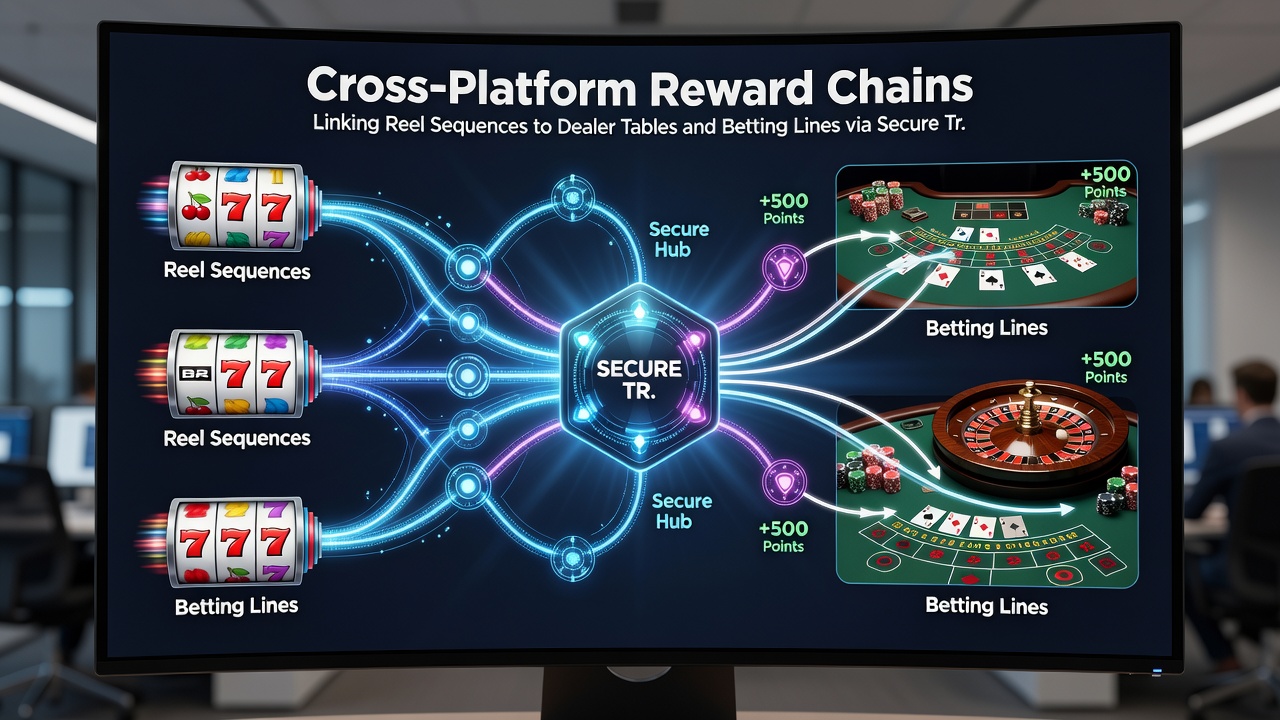
Additional layers include real-time anomaly detection algorithms that flag unusual patterns during transfers, such as rapid movements between categories that exceed typical thresholds. According to figures released by the Australian Gambling Research Centre in mid-2026, platforms incorporating these detection tools reported lower rates of disputed transactions compared with earlier disconnected systems. The architecture allows operators to maintain separate risk profiles for each game type while presenting a unified reward balance to the user on their device.
Integration with Existing Payment Infrastructure
Secure transfers on portable devices often interface with established e-wallet providers and banking networks that already handle deposits and withdrawals, extending those same rails to move rewards internally across game categories. This approach avoids creating new payment rails and instead leverages existing compliance frameworks for anti-money laundering checks that apply at the point of each transfer. Observers have documented cases where reel-generated rewards funded live dealer bets during evening sessions, then converted portions into betting lines on overnight events, all processed through the same encrypted channel.
Technical specifications from equipment suppliers describe application-level controls that limit transfer frequency or size based on player history and jurisdictional rules, preventing overload on backend systems during peak hours. Data from North American Association of State and Provincial Lotteries presentations in 2026 showed that jurisdictions permitting such integrated systems experienced steady growth in mobile transaction counts, particularly during multi-sport seasons when betting lines overlap with table game promotions.
Future Developments Observed Through Mid-2026
Developers continue to refine these reward chains by incorporating machine learning models that predict optimal transfer timing based on historical play patterns across reels, dealer tables, and betting lines. Portable device capabilities, including faster processors and improved connectivity standards, support more complex calculations during transfers without noticeable delays. Reports indicate that operators testing augmented versions in August 2026 achieved smoother handoffs between categories, with reduced instances of balance discrepancies reported by users.
Regulatory updates in various regions have begun addressing the specific requirements of cross-category transfers, focusing on transparency in how rewards convert between game types. These changes encourage operators to publish clear rules within applications so that participants understand the movement of value from slot sequences through dealer interactions to betting outcomes.
Conclusion
Cross-platform reward chains that link reel sequences to dealer tables and betting lines via secure transfers on portable devices represent an established technical approach now embedded in multiple gaming environments. Continued refinements in encryption, synchronization, and compliance tools support ongoing operation across different jurisdictions, with data from August 2026 confirming sustained usage patterns in connected mobile applications. The structure relies on existing payment and security standards rather than entirely new inventions, allowing incremental expansion as device capabilities advance.