Structured Incentive Programs Linking Mobile Gaming Platforms, Live Dealer Experiences, and Sports Betting Through Unified Payment Systems
Riley Beck · Aug 21, 2026
Structured Incentive Programs Linking Mobile Gaming Platforms, Live Dealer Experiences, and Sports Betting Through Unified Payment Systems
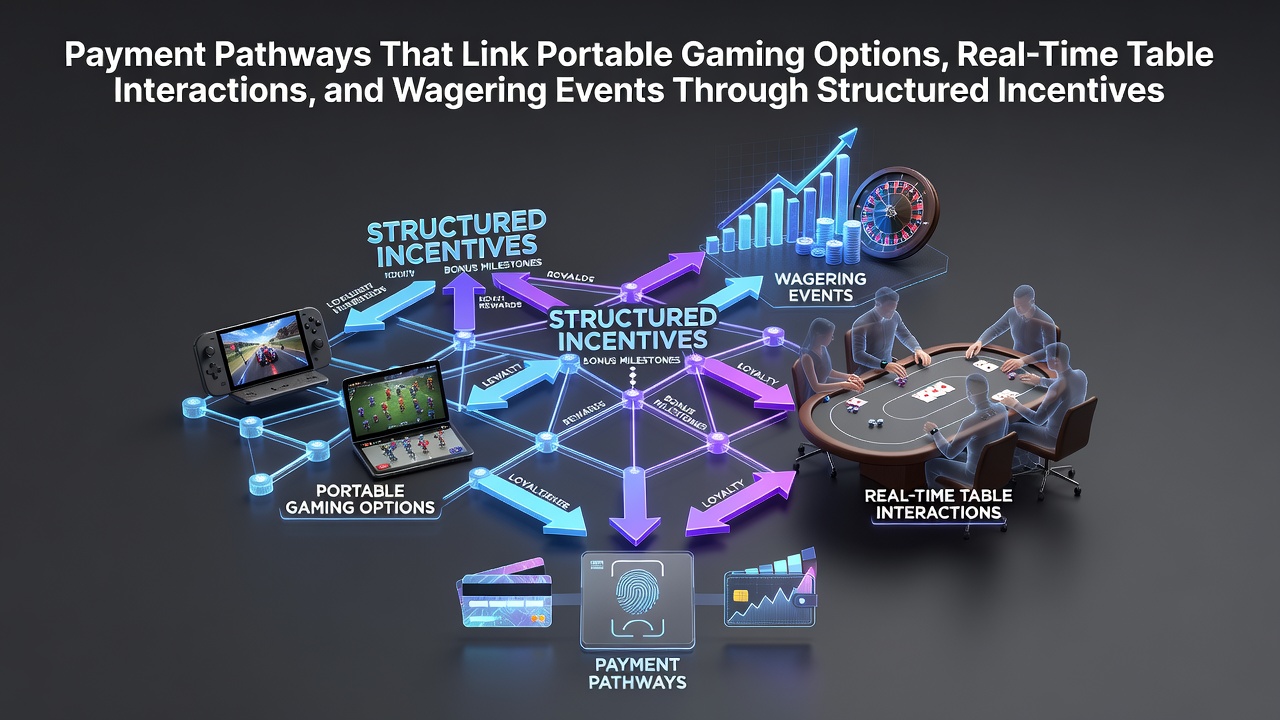
Payment pathways have developed to connect portable gaming options with real-time table interactions and wagering events by routing funds through shared incentive structures that reward cross-platform activity, and these systems allow users to move between mobile slots, live dealer tables, and sports bets without separate account funding steps in many cases. Industry reports indicate that operators use centralized ledgers to track deposits and apply layered bonuses that activate across formats, which reduces friction and supports continuous play sessions.
Mobile Gaming Options and Payment Integration
Portable devices handle a large share of gaming volume because apps and browsers support instant deposits via e-wallets and bank transfers that carry over to other sections of the same platform, and data from regulatory filings show that mobile-first incentives often include deposit matches that apply equally to slots and live tables. Those who monitor transaction patterns note that structured rewards encourage players to test table games after initial mobile spins, since the same balance powers both activities without additional verification.
Real-Time Table Interactions Powered by Shared Ledgers
Live dealer environments require low-latency payments because sessions run in real time, and payment gateways now link directly to incentive pools that credit cashback or free rounds based on table activity, which then become available for sports wagering as well. Observers note that this linkage relies on API connections between game providers and payment processors so that a wager placed at a blackjack table can trigger a bonus usable on a mobile slot or a betting market, and the process maintains separate tracking for compliance while presenting a single user balance.
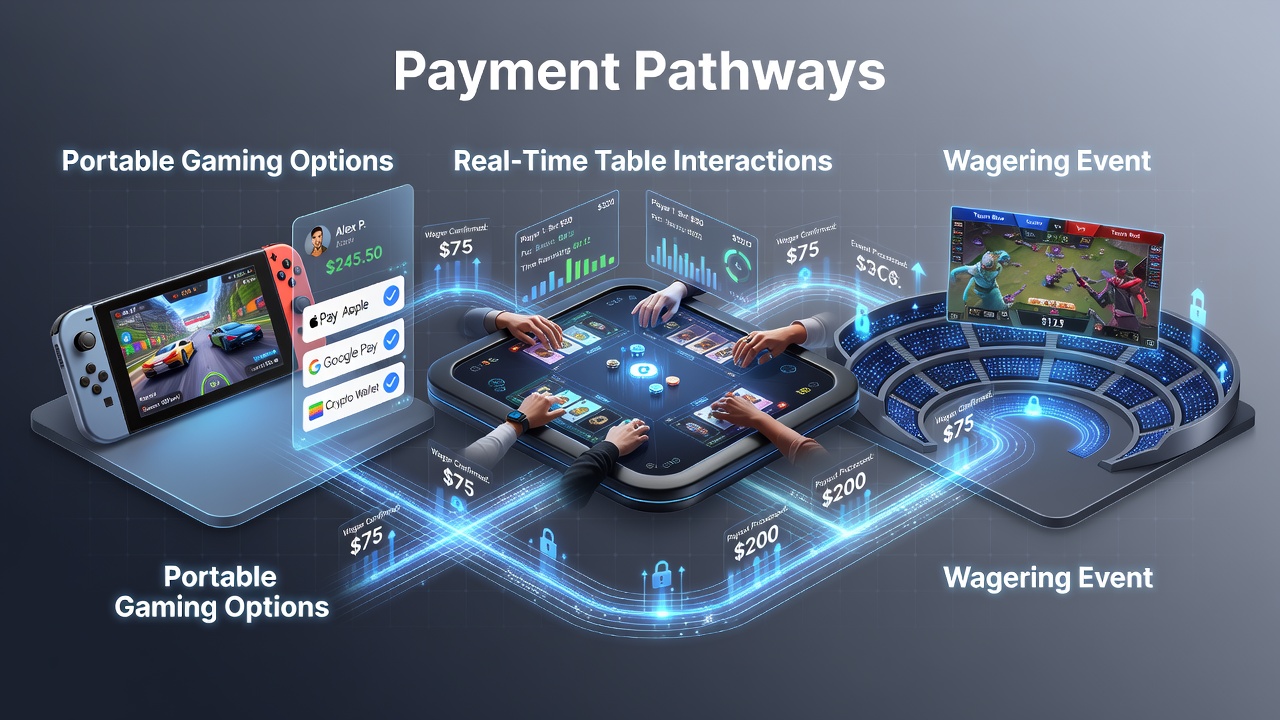
Researchers at institutions such as the Nevada Gaming Control Board have documented how these unified systems handle high volumes during peak hours, and figures reveal that incentive redemptions across live tables and mobile options increased notably once processors adopted unified wallets in prior years. In August 2026, several platforms implemented updated routing protocols that further streamlined transfers between dealer streams and portable gaming sessions while preserving audit trails required by oversight bodies.
Wagering Events Tied to Incentive Structures
Sports adn event betting connect to the same payment pathways because operators apply loyalty points or deposit boosts earned from table play directly to betting markets, and this creates continuous engagement cycles where a user finishing a live roulette session can immediately fund a wager on an upcoming match using the credited amount. Industry associations report that structured incentives often tier rewards so that higher combined activity across mobile, live, and sports categories unlocks larger multipliers, which encourages balanced participation rather than focus on one format.
Payment processors achieve this by maintaining segmented ledgers that record each category separately for regulatory reporting yet present a merged view to the user, and the approach reduces the number of manual transfers required. Those who have examined transaction data from multiple jurisdictions observe that such designs also support responsible play tools because limits can apply across all linked activities through the single wallet.
Technical and Regulatory Considerations
Secure encryption and tokenization protect the pathways that move funds between portable options, live tables, and wagering events, while incentive engines apply rules that prevent double-counting of rewards across categories. External reviews from organizations including the Malta Gaming Authority confirm that operators must demonstrate clear separation of player funds and accurate bonus allocation when platforms span multiple game types. These requirements have driven development of modular payment architectures that scale with user volume and support rapid updates to incentive rules without disrupting live sessions.
Examples from various markets show that when a deposit bonus activates on mobile and carries value to a live table, the same amount can later fund a sports bet once play thresholds are met, and the sequence relies on timestamped records that satisfy audit standards. In practice, this means users encounter fewer interruptions when shifting between formats because the incentive structure itself serves as the bridge.
Conclusion
Payment pathways that link portable gaming, real-time tables, and wagering events through structured incentives continue to evolve as technology and oversight standards advance, and the connections rely on shared ledgers, API integrations, and tiered reward systems that maintain compliance across categories. Data from multiple regulatory sources shows steady growth in cross-format activity where these pathways operate, and the model supports both operator efficiency and user convenience without requiring separate funding steps for each type of engagement.