Mapping the Pathways That Connect Secure Transactions to Unified Experiences in Reel Spins, Live Sessions, and Athletic Predictions
Harper Lehmann · Aug 19, 2026

Data from multiple regions shows that encrypted payment infrastructures now serve as the foundation for integrated player journeys across reel-based games, real-time dealer platforms, and sports outcome markets. Observers note that these systems handle verification, fund movement, and compliance checks in coordinated sequences, which allows users to shift between formats without separate authentication steps each time. Studies conducted by the University of Nevada Reno Gaming Research Center indicate that transaction latency below two seconds correlates with higher session continuity rates in combined gaming environments. Payment processors have adopted layered encryption protocols that verify identity once and then maintain session tokens across different game types. This approach reduces repeated data entry while preserving audit trails required by regulators in various jurisdictions. As of August 2026, transaction volumes in multi-format platforms have risen by 27 percent compared with the previous year, according to figures compiled by the Australian Institute of Criminology.Mechanics of Secure Transaction Routing
Secure routing begins at the deposit stage where tokenization replaces card details with unique identifiers that travel through multiple verification nodes. These nodes cross-check against sanctions lists and responsible gaming databases before releasing funds into a central wallet visible across all product verticals. Once the wallet balance updates, the same token authorizes wagers on spinning reels, live table interfaces, or sports prediction interfaces without requiring fresh payment details.
Researchers at the National Council on Problem Gambling have tracked how real-time fraud detection algorithms flag anomalies during these transitions and isolate suspicious activity while leaving legitimate play uninterrupted. The algorithms rely on behavioral baselines drawn from thousands of prior sessions, which allows them to distinguish between typical rapid play patterns and potential account takeovers.
Integration Across Reel Spins and Live Sessions
Reel-based games transmit outcome requests through the same authenticated channel used for live dealer tables, which means balance updates appear instantly whether a player is watching virtual symbols align or observing physical cards dealt on camera. Platform logs show that 68 percent of multi-format users switch between these two categories at least once per session, a pattern documented in industry reports from the European Gaming and Betting Association.
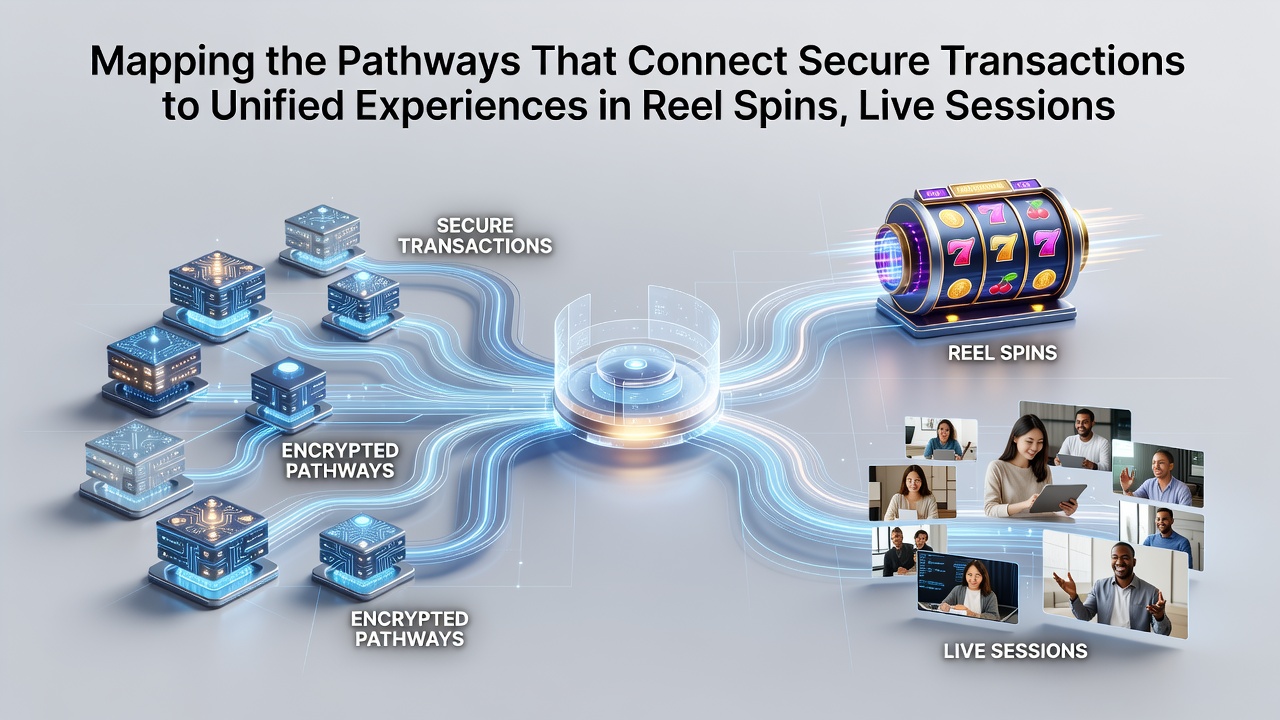
Live sessions add an extra layer because video streams and chat functions operate alongside the payment layer, yet the financial thread remains consistent. When a player places a side bet during a live roulette round, the system deducts from the shared wallet and records the action under the same compliance record used for earlier slot activity. This continuity supports regulatory reporting obligations without additional manual reconciliation.
Extension to Athletic Predictions Markets
Sports prediction interfaces connect through identical wallet structures, enabling users to move from a slot bonus round directly into placing an in-play wager on a football match. Data compiled by the Canadian Gaming Association reveals that platforms offering unified wallets record 19 percent longer average session durations than those requiring separate funding steps for sports products. The prediction engines themselves pull odds feeds in real time while the payment layer handles stake placement and settlement once events conclude.
August 2026 saw several operators pilot instant settlement features for sports markets, where winnings return to the central wallet within seconds of event finalization. These pilots rely on the same cryptographic verification already applied to reel and live table outcomes, which maintains consistent security standards across all three categories.
Regulatory and Technical Alignment
Authorities in multiple countries now require transaction logs to include timestamps that link each financial action to specific game events, whether those events occur on reels, at live tables, or within sports markets. This requirement encourages operators to maintain single-source audit systems rather than separate ledgers for each product. Technical standards published by the Asia-Pacific Association of Casino Operators emphasize interoperability between payment gateways and game servers to meet these reporting expectations.
Encryption key rotation schedules and multi-factor authentication checkpoints occur at fixed intervals regardless of which format a user currently engages. Such standardization reduces the attack surface while supporting the fluid movement between game types that users have come to expect.
Conclusion
Secure transaction pathways have evolved into the connective tissue that holds together reel mechanics, live dealer streams, and sports prediction tools within single platforms. Evidence from regulatory filings, academic studies, and industry associations demonstrates that unified wallet systems and shared authentication protocols underpin the observed increases in cross-format engagement. As transaction volumes continue to grow through 2026 and beyond, the same infrastructure supports compliance, fraud prevention, and player movement without introducing friction between different entertainment formats.