Integrated Payment Systems Align Rewards for Mobile Users Moving Between Slot Reels and Live Betting
Riley Beck · Aug 31, 2026
Integrated Payment Systems Align Rewards for Mobile Users Moving Between Slot Reels and Live Betting
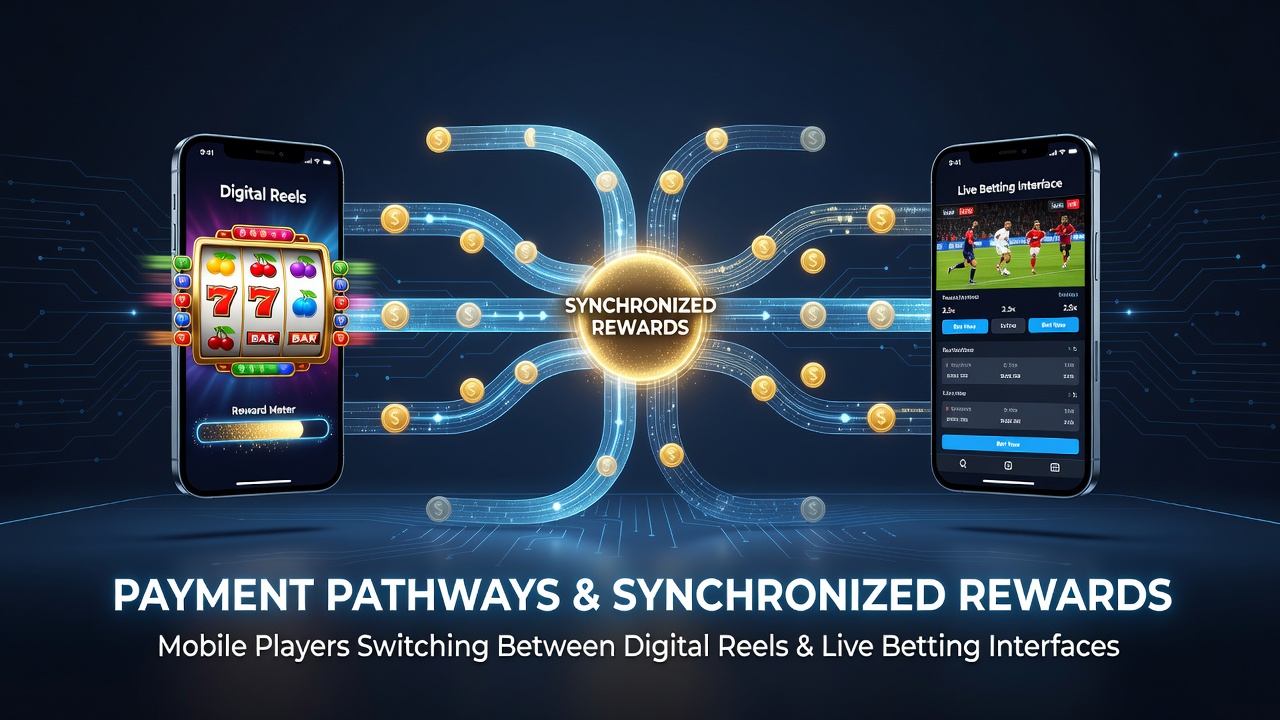
Payment pathways that connect reward systems now handle transitions between digital reels and live betting interfaces on mobile devices through unified ledgers and instant settlement protocols. Operators deploy application programming interfaces that track player activity across game categories and apply consistent reward calculations without requiring separate account actions. Data from industry reports indicate that these systems reduce processing delays by linking e-wallet balances directly to loyalty modules, while central databases update point totals in real time as users switch platforms.
Core Mechanisms Behind Synchronized Distributions
Developers build reward synchronization around shared user profiles that store transaction histories and preference data from both slot sessions and live betting markets. When a player completes a reel spin sequence, the system records wager amounts and triggers proportional credit allocations that carry forward to betting interfaces without manual intervention. Payment gateways such as those using tokenization methods allow funds to move between environments in seconds, and this setup maintains balance consistency across devices. Observers note that multi-platform architectures rely on cloud-based ledgers to prevent discrepancies during rapid switches, with encryption layers protecting each transfer step.
August 2026 brings scheduled updates to cross-border payment standards in several regions, and these changes affect how operators manage reward flows for international mobile users. European regulatory frameworks require clearer disclosure of synchronization fees, whereas North American jurisdictions focus on audit trails for point conversions between game types. Research from academic institutions shows that integrated systems improve retention metrics by ensuring rewards remain accessible regardless of the interface a player selects at any moment.
Role of Digital Wallets and Settlement Tools
E-wallets serve as central hubs that aggregate activity data from reels and betting lines, then distribute rewards according to predefined algorithms. Players deposit once through a single interface, after which the pathway allocates portions to loyalty pools that activate on either game format. Settlement occurs via automated clearing houses or blockchain entries that log each reward issuance with timestamps, and this process eliminates the need for separate verification steps during transitions. Industry associations report that wallet-linked programs now cover over 60 percent of mobile gaming volume in monitored markets, with synchronization features reducing user drop-off rates during platform switches.
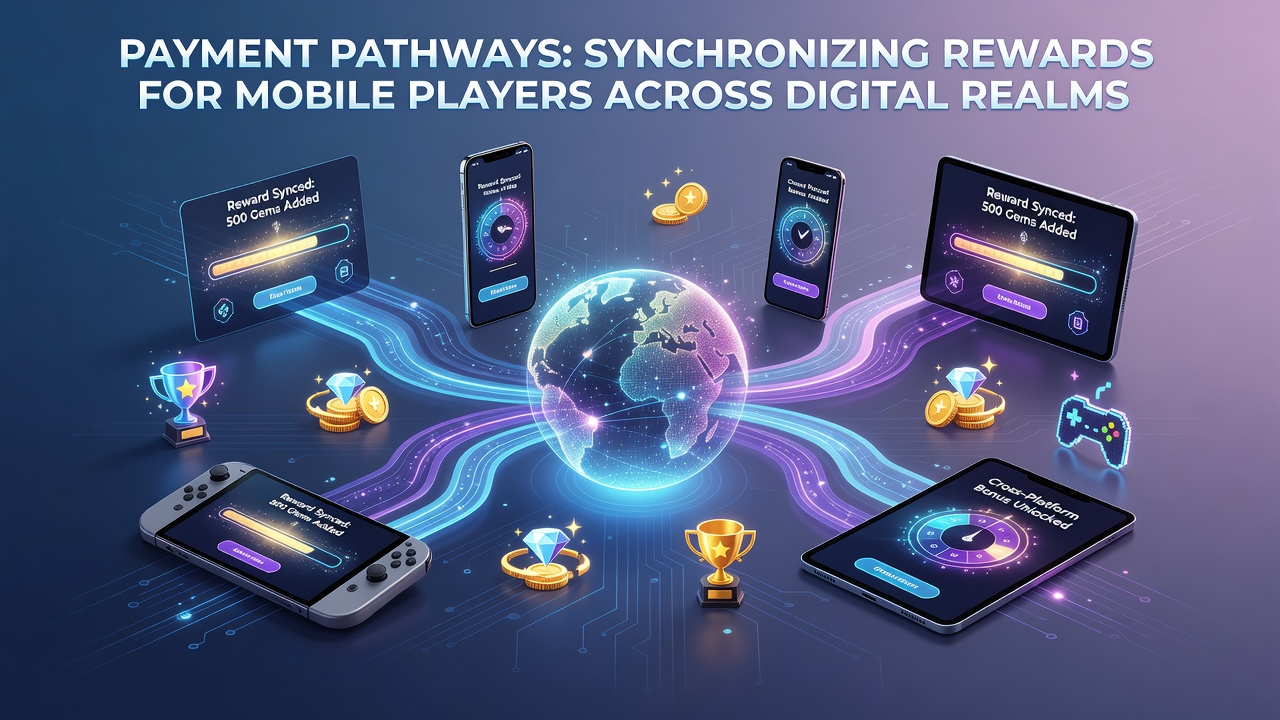
Payment processors integrate with live dealer streams and slot servers through standardized protocols that push reward notifications instantly to mobile applications. When a betting outcome generates a bonus, the same ledger credits corresponding slot-based incentives without requiring additional logins. Those who manage these networks emphasize that API calls maintain session continuity, so accumulated points reflect total activity rather than isolated game categories. Figures from market analyses reveal steady growth in synchronized reward adoption, driven by demand for uninterrupted mobile experiences.
Technical Standards and Compliance Elements
Compliance requirements shape how pathways handle reward data across jurisdictions, with standards from bodies such as the Nevada Gaming Control Board and the Australian Communications and Media Authority dictating audit frequencies and data retention periods. Operators implement real-time monitoring tools that flag anomalies in reward calculations, and these tools connect directly to payment rails to verify each distribution. University studies on digital payment flows in entertainment sectors highlight the use of machine learning models to predict peak switching times between reels and bets, allowing preemptive balance adjustments that keep reward ledgers accurate.
Token-based systems further streamline the process by converting activity metrics into transferable units that function identically on slot and betting interfaces. This approach avoids currency conversion steps during mobile sessions and supports cross-game promotions that activate automatically upon reaching certain thresholds. External providers supply the underlying infrastructure, while operators customize reward rules within secure environments that comply with regional data protection rules.
Conclusion
Payment pathways continue to evolve through tighter integration of wallet services, ledger technologies, and regulatory reporting tools that support reward synchronization for mobile players. These systems enable consistent point tracking and instant settlements as users move between digital reels and live betting without interruption. Ongoing developments in August 2026 and beyond focus on expanded compatibility across devices and clearer standards for international transfers, with data from varied regulatory sources guiding implementation details.