Aligning Payment Processing with Incentive Mechanisms in Automated, Streamed, and Event-Driven Wagering Systems
Greta Wolf · Aug 16, 2026
Aligning Payment Processing with Incentive Mechanisms in Automated, Streamed, and Event-Driven Wagering Systems
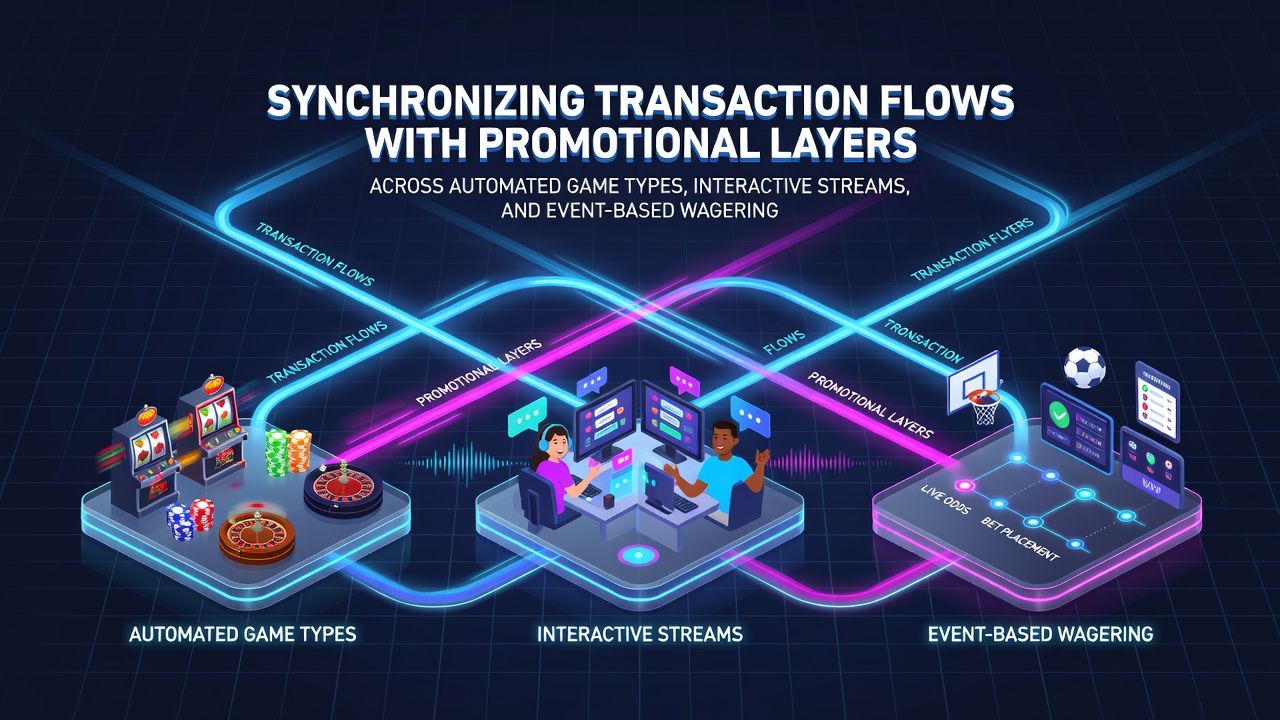
Payment systems in gaming environments coordinate deposits, withdrawals, and balance updates with layered promotional structures that apply across automated game types such as slot reels, interactive live streams featuring dealer interactions, and event-based wagering on sports outcomes. These alignments rely on backend software that tracks player activity in real time, applies bonus conditions automatically, and maintains compliance with jurisdictional rules.
Operators deploy centralized ledgers that record every transaction alongside corresponding promotional triggers, whether those involve free spin credits on automated machines, cashback percentages during live dealer sessions, or matched stakes on scheduled sporting events. Data from industry reports shows that such synchronization reduces processing delays and supports continuous play cycles.
Core Components of Transaction and Promotion Integration
Automated game types process spins or rounds through RNG engines while linked promotional layers activate based on wager volume or session length, and transaction flows update player accounts instantly upon each completed round. Interactive streams add complexity because live dealer actions generate variable outcomes that must sync with ongoing bonus multipliers or reload offers without interrupting the broadcast feed.
Event-based wagering introduces time-sensitive elements where promotional layers adjust odds boosts or stake multipliers according to event schedules, and payment gateways confirm deposits before bets register on the platform. Observers note that middleware platforms handle these connections by mapping transaction IDs to promotional rulesets stored in separate databases.
Technical Architecture Supporting Cross-Format Synchronization
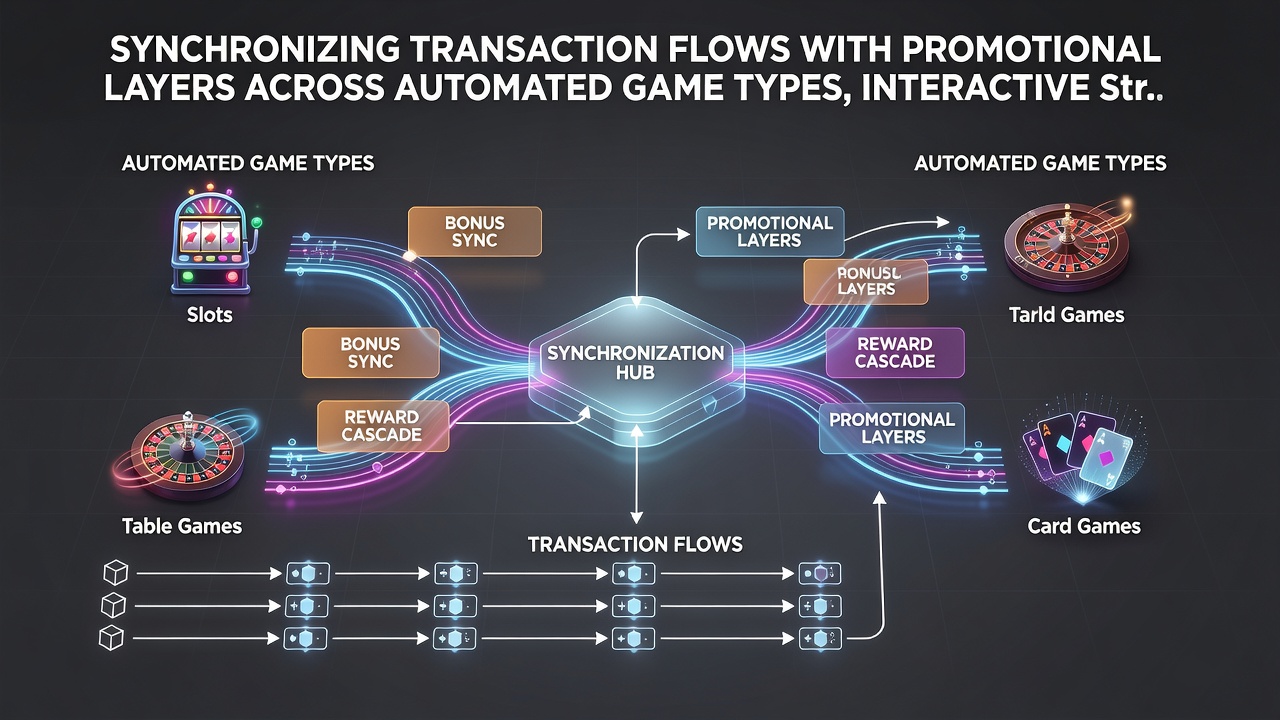
API endpoints connect front-end interfaces for slots, streams, and betting modules to a shared transaction processor that validates funds and applies promotional credits in sequence. Developers configure rule engines to evaluate player eligibility across formats, so a deposit made during a live stream session can trigger slot-based free plays or event wager enhancements within the same account balance.
Security protocols encrypt transaction data while promotional ledgers log every applied bonus to support audit trails. Research indicates that platforms using unified player profiles achieve higher consistency in promotional delivery across automated, streamed, and event-driven products.
Regulatory Considerations Across Jurisdictions
Authorities such as the Nevada Gaming Control Board require operators to demonstrate that promotional layers do not alter the fundamental odds of underlying games, and transaction records must remain accessible for inspection. Similar standards appear in other regions where gaming commissions mandate separation between wagering mechanics and bonus mechanics to prevent misleading incentives.
August 2026 updates from multiple regulatory bodies emphasized real-time reporting of promotional adjustments tied to transaction volumes, particularly when those adjustments span multiple game categories. Compliance teams therefore maintain automated reconciliation processes that flag discrepancies between expected and actual promotional credits.
Operational Examples from Multi-Format Platforms
One documented implementation links slot machine sessions with live casino streams by converting accumulated loyalty points into stream-specific table credits, while simultaneous sports wagers draw from the same funded balance. Transaction confirmation messages appear uniformly across all interfaces, and promotional timers count down consistently regardless of which format the player selects next.
Studies from academic gaming research centers reveal that platforms employing these synchronized systems record measurable increases in session duration when promotional layers activate automatically upon reaching predefined transaction thresholds. Case examples include promotions that convert a completed sports bet into reel bonuses on automated machines without requiring separate deposits.
Data Management and Reporting Practices
Transaction logs capture every deposit, withdrawal, and bonus application with timestamps that align promotional events to specific game actions. Reporting modules export these records in formats compatible with external auditors, and operators configure alerts for unusual patterns that might indicate synchronization failures between formats.
Industry associations publish guidelines that encourage standardized data fields for promotional tracking, allowing cross-platform comparisons of how incentive layers perform when applied to automated games versus live streams or event wagers. Figures reveal that consistent synchronization correlates with lower dispute rates related to missing bonuses.
Future Developments in Integrated Gaming Ecosystems
Emerging protocols explore blockchain-based transaction verification that could further embed promotional rules directly into smart contracts governing automated, streamed, and event-based activities. Early trials show reduced latency when promotional credits apply across formats through these distributed systems.
Continued refinement of API standards supports broader adoption among operators seeking unified experiences for players who move between game types within single sessions. Regulatory frameworks continue to evolve alongside these technical advances to maintain oversight of promotional integrity.
Conclusion
Synchronization of transaction flows with promotional layers across automated game types, interactive streams, and event-based wagering depends on integrated software architectures, clear regulatory compliance, and precise data management. Platforms that maintain these alignments deliver consistent account updates and bonus applications regardless of the specific gaming format selected. Ongoing technical and regulatory developments continue to shape how these systems operate in practice.